
A Real Spring Reset: Turning Overwhelming Spaces Into Calm, Functional Systems
Spring has a way of shining a light on everything…the boots by the door, gloves without matches, and the sunscreen that’s been in the cabinet since last summer.
Spring organizing is about intentionally transitioning your home from one season to the next and creating systems that actually support your family’s daily life.
Let’s walk through what a real spring reset looks like.
1. Close the Chapter on Winter

Before you pack winter away, pause to evaluate what actually served your family this past season. Ask yourself:
Which coats were never worn?
Are there gloves without matches?
Do the kids’ boots still fit for next year?
Did anyone reach for that fourth scarf?
Toss: broken or worn-out gear
Donate: outgrown coats, boots, snow pants
Store intentionally: only what will realistically be used next winter
Then reset the space for spring. Light jackets. Rain boots. Backpacks. Cleared hooks. Clear surfaces.
Your mudroom should feel like a breath of fresh air…not a reminder of January.
2. Refresh the Pantry & Bathroom Cabinets
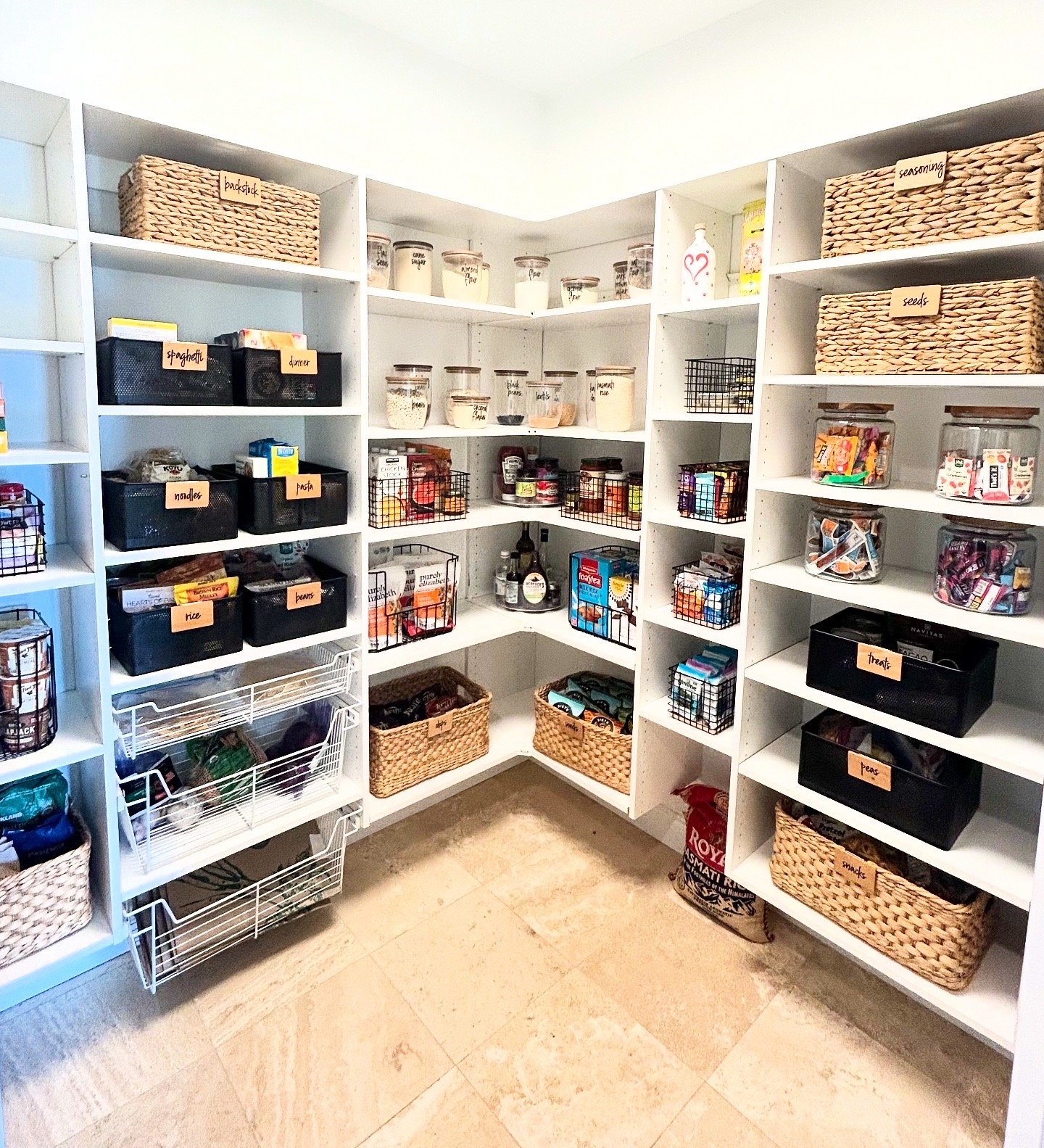
Spring is also the perfect time for a quick audit of everyday essentials. Here are some things to look for…
Pantry Reset:
Check expiration dates
Toss stale snacks
Remove half-used seasonal baking items
Wipe shelves before restocking
Bathroom Reset:
Expired sunscreen and skincare (yes, it expires!)
Old medications
Empty or dried-up beauty products
Travel-size items you’ll never use
A quick 20-minute pass through these spaces can instantly reduce clutter and make daily routines smoother.
3. Reset Playrooms & Kids’ Bedrooms

Kids grow fast and their interests change even faster. Spring is a natural time to reassess what still fits, both physically and developmentally. Some quick things to let go of:
Games and puzzles missing pieces
Toys that haven’t been touched in months
Books they’ve outgrown
Clothes that no longer fit
Involving kids in this process teaches decision-making and generosity. Create a donation box together and explain where items will go. Then simplify what remains.
Fewer toys. Clear categories. Easy-to-access bins.
Less overwhelm = more independent clean-up.
4. Create Systems That Actually Work
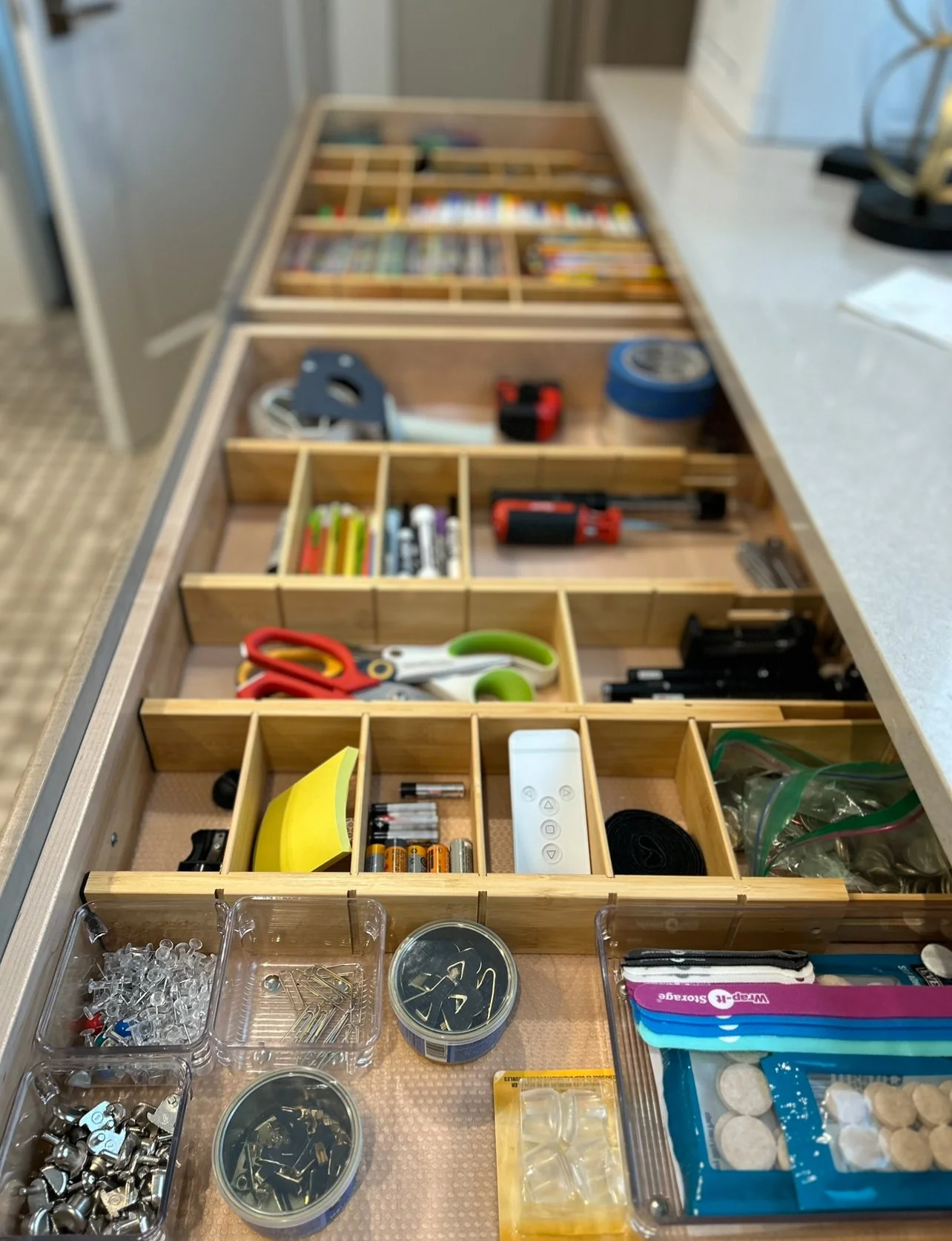
This is where transformation happens! Organizing isn’t about decanting everything into matching containers (unless that brings you joy). It’s about building systems that make sense for your family.
A system works when:
Everyone knows where things belong
Items are stored where they’re used
Cleanup takes minutes, not a full reset
It’s sustainable long-term
Looking for some easy ways to implement great systems? Put hooks at kid height. Use baskets instead of complicated folding. Turntables in bathroom cabinets make for easy mornings.Using labels that make putting things away automatic (tip: use picture labels for kiddos that can’t read yet!).
When systems are intuitive, family members naturally participate. And when your family can maintain the system, that’s when you know it’s working.
Spring Organizing Isn’t About Doing It All
It’s about small, intentional resets that compound over time…one drawer, one cabinet, one closet.
Overwhelming spaces become calm when we reduce what no longer serves us and create thoughtful structure around what remains.
If your home feels heavy after winter, you’re not alone. Spring is your permission to start fresh. Let’s create systems that feel lighter, simpler, and built for the way your family actually lives.
If you need support turning chaos into calm, Serenity at Home is here to help.